
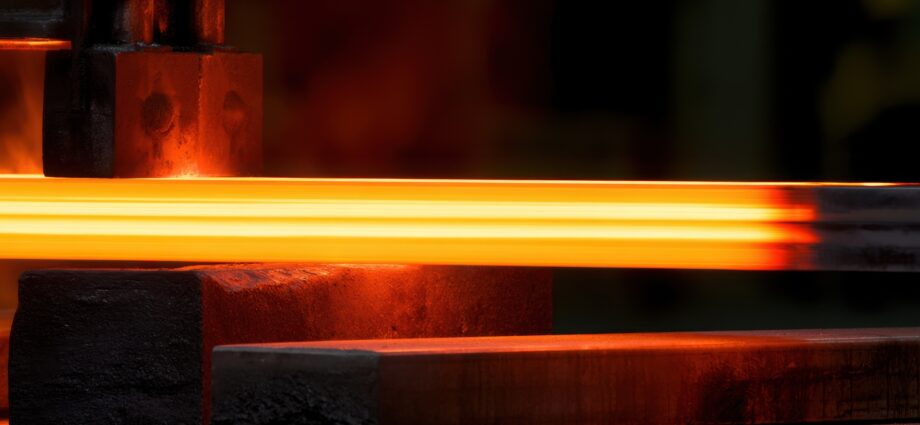
Metal has been our favorite building block for ages. Strong, dependable, and practically everywhere you turn. But it has a ceiling. Intense heat can soften even the strongest steel. So what is suitable for jobs with high-temperature needs?
When Metal Hits the Wall
In most everyday jobs, metal is a champ. Bridges, cars, tools, buildings. It carries all of them without breaking a sweat. The headache starts when things get seriously, dangerously hot. Within a jet engine or rocket nozzle, extreme heat reaches temperatures that would melt ordinary metal. It fails to maintain its form and ultimately collapses. Engineers hunted for a better fix for these fiery corners, because plain old metal had run out of answers.
Meet the Heat Fighters
Some advanced materials do their best work precisely when metals fall apart. They laugh off blistering heat and hang onto their strength while everything nearby glows red. These materials pried open doors that metal had bolted shut long ago. Their trick lies in the way they’re put together. Combining tough fibers and heat-resistant material creates a stronger composite. That smart pairing lets them stand tall in places that would wreck nearly anything else.
The King of Extreme Heat
One member of this crew carries a real tongue twister of a name. A high-temperature CMC, which stands for ceramic matrix composite, laces ceramic fibers into a ceramic base and comes out with heat resistance that borders on unbelievable. Aerodine Composites has become quite good at molding these materials into parts that thrive where the temperature needle spins clean off the dial. Their work helps drive some of the most punishing machines humans have ever dreamed up, showing just how far this technology can stretch.
Light Enough to Fly
Heat resistance hogs the spotlight, but these materials keep a second surprise up their sleeve. Many weigh less than metal. That light footprint becomes a massive edge, especially once you leave the ground. Lighter parts mean an aircraft sips less fuel and picks up speed.
Read More: How Business Loans Can Help Small Businesses Grow: A Complete Guide
Trade heavy metal for one of these materials, and a machine suddenly performs better all around. Engineers walk away with strength, heat resistance, and low weight bundled together. That combo doesn’t come around often.
Tougher Than Just Heat
These materials pull off far more than firefighting. They fend off wear, brush aside corrosion, and hold their shape under crushing stress. Metal rusts and grinds down as the years pile up. Plenty of these advanced materials just keep chugging along. That staying power really pays off in machines that grind away for years on end. Less repair, fewer shop visits, longer life. A brutal environment breeds toughness that changes everything.
Where You’ll Find Them
These materials tuck themselves inside some of the most jaw-dropping machines out there. Jet engines lean on them hard. Spacecraft trust them to survive the roasting heat of coming back through the atmosphere. High-end defense gear puts them to work in spots where failure is flat-out unacceptable. As technology keeps marching ahead, these materials keep landing new gigs. Engineers cook up fresh uses all the time, and the list just keeps stretching.
Conclusion
Every day, the ordinary metal that constructed our world continues to perform remarkable tasks. But once the heat turns truly savage, a smarter breed of materials steps up. These materials remain solid at high temperatures and they decrease weight. They can also outperform rivals in challenging conditions. These unassuming high achievers show that the most effective solution might not be the one that’s been around the longest. Or indeed the one that is the most well-known. It’s sometimes the boldest who succeed in the most unlikely places.
Read More: Building Financial Resilience in a Rapidly Changing Middle Eastern Economy